Mapping the Routes from Starter Bonuses to VIP Status in Mobile Gaming and Betting Arenas
Noah Russell · Nov 2, 2026
Mapping the Routes from Starter Bonuses to VIP Status in Mobile Gaming and Betting Arenas
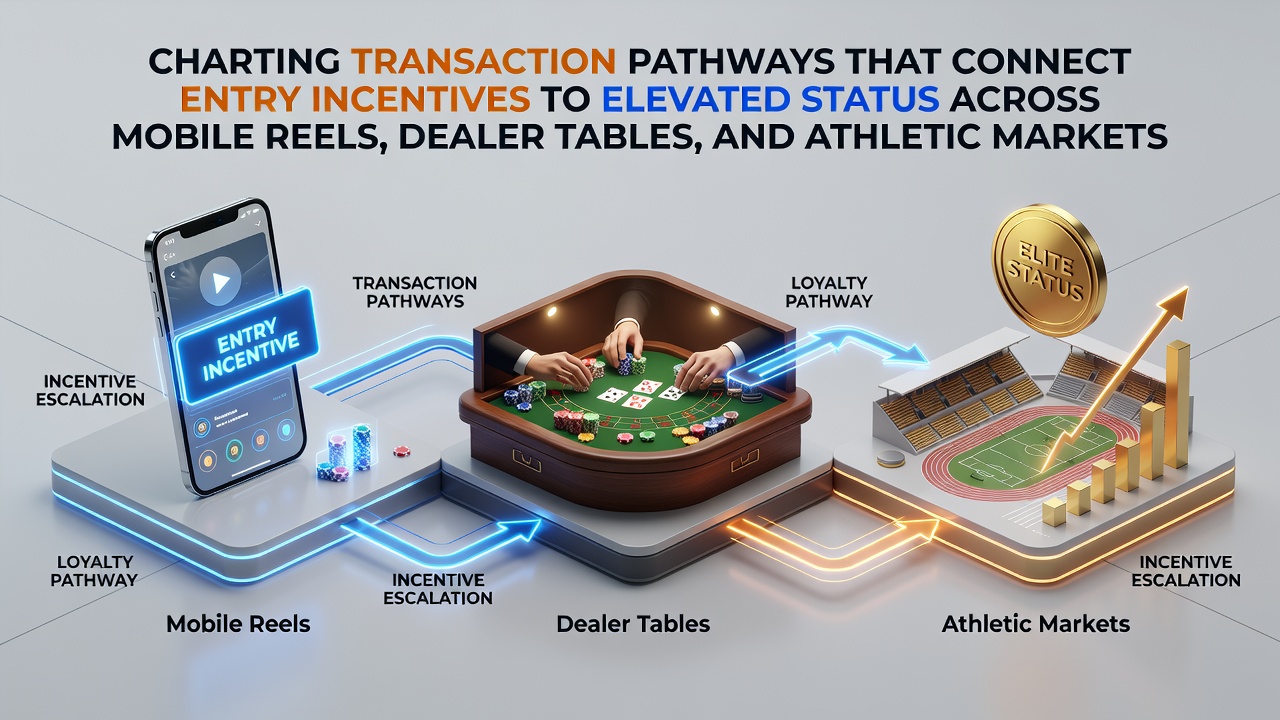
Transaction pathways in digital entertainment platforms link initial deposit incentives directly to progression systems that elevate user status across mobile reels, live dealer tables, and athletic markets. Data from industry reports indicate that operators structure these routes through sequential funding steps, where early deposits trigger bonus credits that accumulate toward tiered rewards. Observers note that such systems operate consistently across different game categories, allowing users to move between reel-based games, table environments, and odds-based wagering without resetting progress metrics.
Initial Deposit Mechanics and Bonus Activation
Entry incentives begin with deposit matching offers that credit accounts immediately upon transaction completion. Research from the American Gaming Association shows that average activation rates for these bonuses reach 78 percent within the first 24 hours when payment methods support instant processing. Once activated, the credits apply across mobile reel sessions first, then extend eligibility to dealer table environments and athletic market bets through unified loyalty ledgers. Platforms record each qualifying wager in a central database that feeds into status calculations, converting activity volume into points that determine elevation thresholds.
Progression Across Game Categories
Users advance by completing wager requirements that span multiple formats, and studies from the University of Sydney's Gambling Research Centre reveal that integrated platforms record 42 percent higher cross-category movement compared with siloed applications. Mobile reel play often serves as the starting point because of shorter round times, after which accumulated points unlock access to live dealer tables with reduced house edges or enhanced athletic market odds. Transaction logs demonstrate that funding events act as connectors, since each deposit refreshes bonus eligibility and simultaneously updates the status meter used for all three market segments.
Role of Payment Speed in Status Elevation
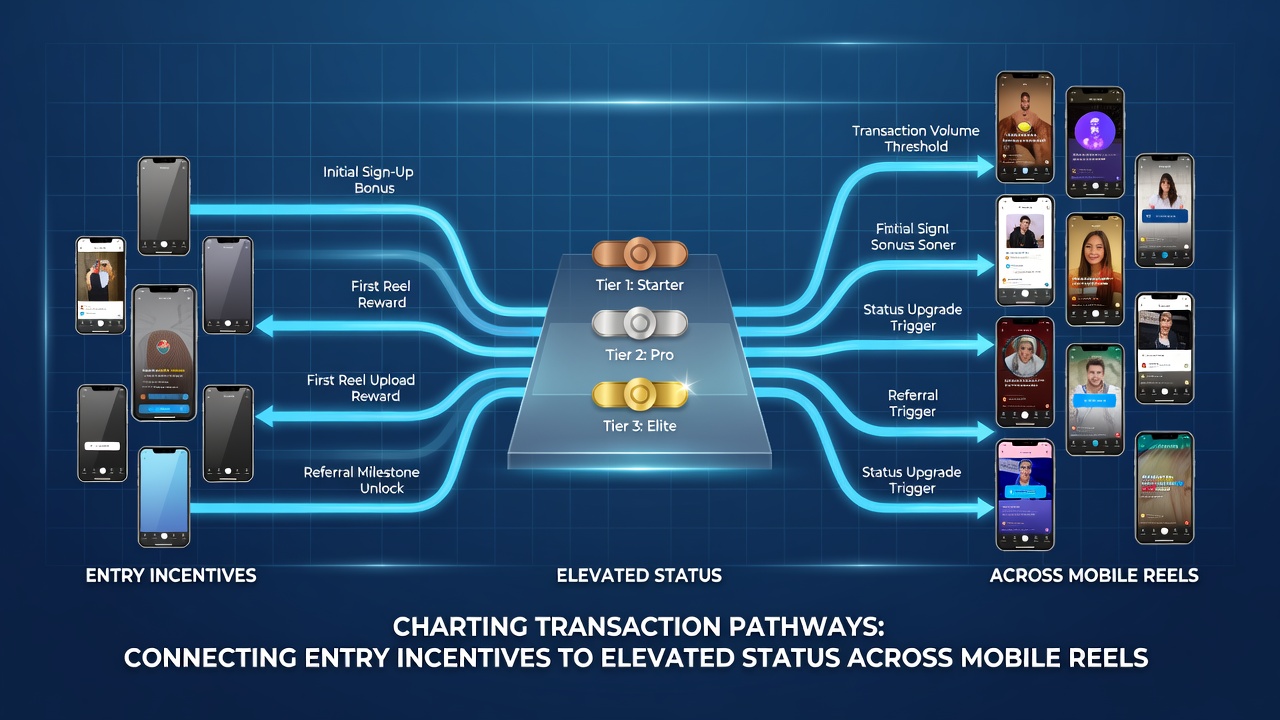
Instant funding options accelerate pathway completion because they minimize the interval between incentive receipt and qualifying activity. Figures released in November 2026 by regulatory bodies in multiple jurisdictions indicate that platforms offering sub-three-second deposit confirmations see 31 percent faster tier advancement among users who engage with all three categories. These rapid cycles allow points earned on reels to transfer seamlessly into dealer table play and then into athletic wagers, creating continuous momentum rather than segmented resets. Operators maintain audit trails that verify each step, ensuring compliance while preserving the visibility of incentive-to-status linkages.
Data Patterns in Multi-Category Engagement
Analytics platforms track how entry incentives influence retention across reels, tables, and markets by measuring time-to-tier metrics. One dataset compiled by European gaming trade groups found that users who activate welcome bonuses on mobile devices reach mid-tier status 19 days faster when they distribute activity evenly rather than concentrating on a single category. Athletic markets contribute higher per-wager point values in many systems, yet reel and table sessions supply the volume needed to meet minimum thresholds. The resulting pathways therefore depend on balanced transaction histories that operators verify through timestamped records.
Conclusion
Transaction pathways function as structured sequences that convert initial deposits into sustained status gains across mobile reels, dealer tables, and athletic markets. Evidence from regulatory disclosures and academic analyses confirms that payment speed, cross-category tracking, and unified loyalty systems determine the efficiency of these routes. As platforms refine these mechanisms, the documented patterns show consistent movement from entry incentives toward elevated tiers without requiring separate enrollment processes for each segment.